From American Strip Mall to Riyadh Grand Atrium: The Real Economics of Franchising Into the Kingdom
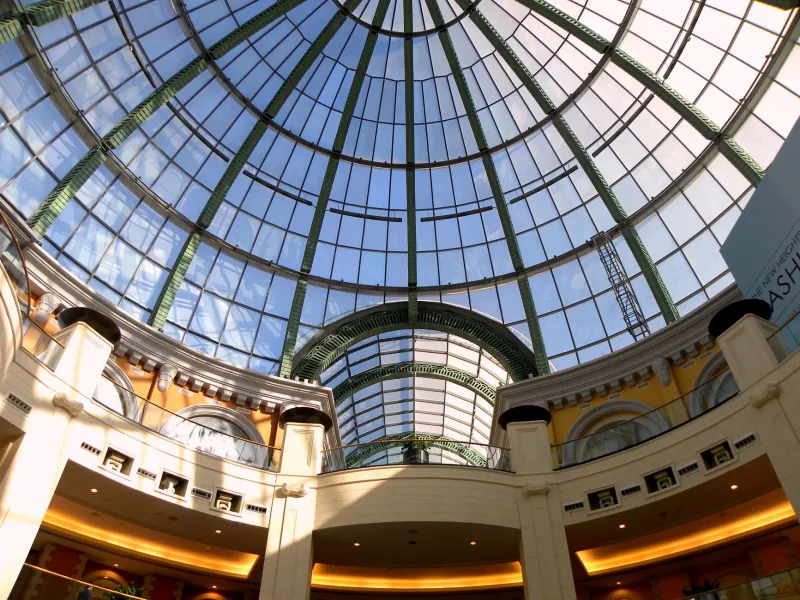
Walk through any new retail development in Riyadh or Jeddah and the pattern is unmistakable: American brands everywhere. Fast-casual dining concepts, boutique fitness studios, specialty coffee chains, and family entertainment centers now anchor developments that did not exist five years ago. For US franchisors watching domestic markets saturate, the question is no longer whether Saudi Arabia is viable. It is why so many competitors got there first.
Why the Timing Favors American Concepts Now
Vision 2030 reshaped how Saudi households spend. Entertainment and lifestyle categories that were once constrained now drive foot traffic, and mall developers are actively courting international brands to fill space with experiences consumers cannot find locally. American concepts carry particular weight in this market — they signal quality, consistency, and the aspirational lifestyle that a young, digitally connected consumer base responds to.
The numbers behind this shift are substantial. Retail and hospitality spending has grown steadily as entertainment venues multiply, and developers competing for anchor tenants have become more flexible on terms than their US counterparts would ever consider. For a franchisor used to negotiating against three other brands for a single strip mall unit, that leverage reversal alone justifies a closer look.
The Licensing Path, Decoded
Franchising into the Kingdom requires more than a signed agreement. Foreign franchisors must navigate trademark registration, commercial agency regulations, and — depending on structure — a local franchise agreement that complies with Saudi franchise disclosure requirements introduced in recent years.
The practical sequence looks like this:
- Trademark protection first. Register your marks with the Saudi Authority for Intellectual Property before any market-facing activity. Enforcement is far stronger for registered marks.
- Choose your structure. A direct franchise agreement with a Saudi operator, a master franchise covering a territory, or an area development agreement each carry different capital, control, and royalty implications.
- Franchise disclosure compliance. Saudi regulations require disclosure documents and registration of franchise agreements. Budget legal time for this — it is not a rubber stamp, but it is manageable.
- Local partner diligence. Most American brands enter through a Saudi partner who handles licensing, labor sponsorship, and government relations. Vetting that partner matters more than almost any other decision you will make.
What the Money Actually Looks Like
Master franchise fees for credible American concepts in the Saudi market typically run from the low six figures into seven figures depending on brand strength and territory scope, with ongoing royalties commonly in the 4–6% range plus marketing contributions. Site acquisition in premium mall locations commands rents comparable to top-tier US markets — prime Riyadh atrium space is not a discount play.
A realistic first-year budget for a single fast-casual unit includes fit-out costs that often exceed US equivalents due to imported equipment and finishes, Saudization-driven staffing costs that require planning for training pipelines, and a marketing ramp that local partners frequently underestimate. Franchisors who model a 12–18 month path to unit-level profitability, rather than the 9 months a domestic location might need, tend to make better decisions and keep their partners solvent.
Which Concepts Are Winning
Fast-casual dining continues to lead, but the fastest-growing category is arguably fitness and wellness — boutique gyms, pilates studios, and recovery concepts riding the post-reform surge in sports participation. Family entertainment, specialty coffee, and education-adjacent services round out the high-conviction list. What unites the winners: concepts that translate across cultures without heavy menu or format localization, and franchisors willing to invest in genuine training infrastructure rather than shipping a manual and hoping.
The mall boom will not last forever on favorable terms. Developers are already getting more selective as international demand rises. American brands that begin licensing conversations this year will enter a market that still wants them; those that wait will enter one that has already filled its best space.